Skip to content
Spiceman Exports, home

Process and quality

From soil to shipment, in eight stages.

What happens to spices, rice, pulses and onions at each stage between the field and the port or airport, and what you can put in your specification along the way.

  1. 01 · Soil

    Where it grows

    Most spices have a home. Black pepper and cardamom come from the wet hills of the Western Ghats in Kerala, Karnataka and Tamil Nadu. Turmeric is traded out of Erode, Salem, Nizamabad and Sangli. Red chilli centres on Guntur and Byadgi. Cumin, coriander and fenugreek come from the dry fields of Gujarat, Rajasthan and Madhya Pradesh.

    Basmati comes from the plains of Punjab and Haryana, and ponni from the Kaveri delta around Thanjavur. Pulses grow across the Deccan and central India, with Maharashtra, Karnataka and Madhya Pradesh supplying much of the toor. Big onions come largely from Nashik in Maharashtra, small onions from Tamil Nadu.

    Each product page lists the regions it is typically sourced from. For a specific lot, ask for its origin when you request a quote.
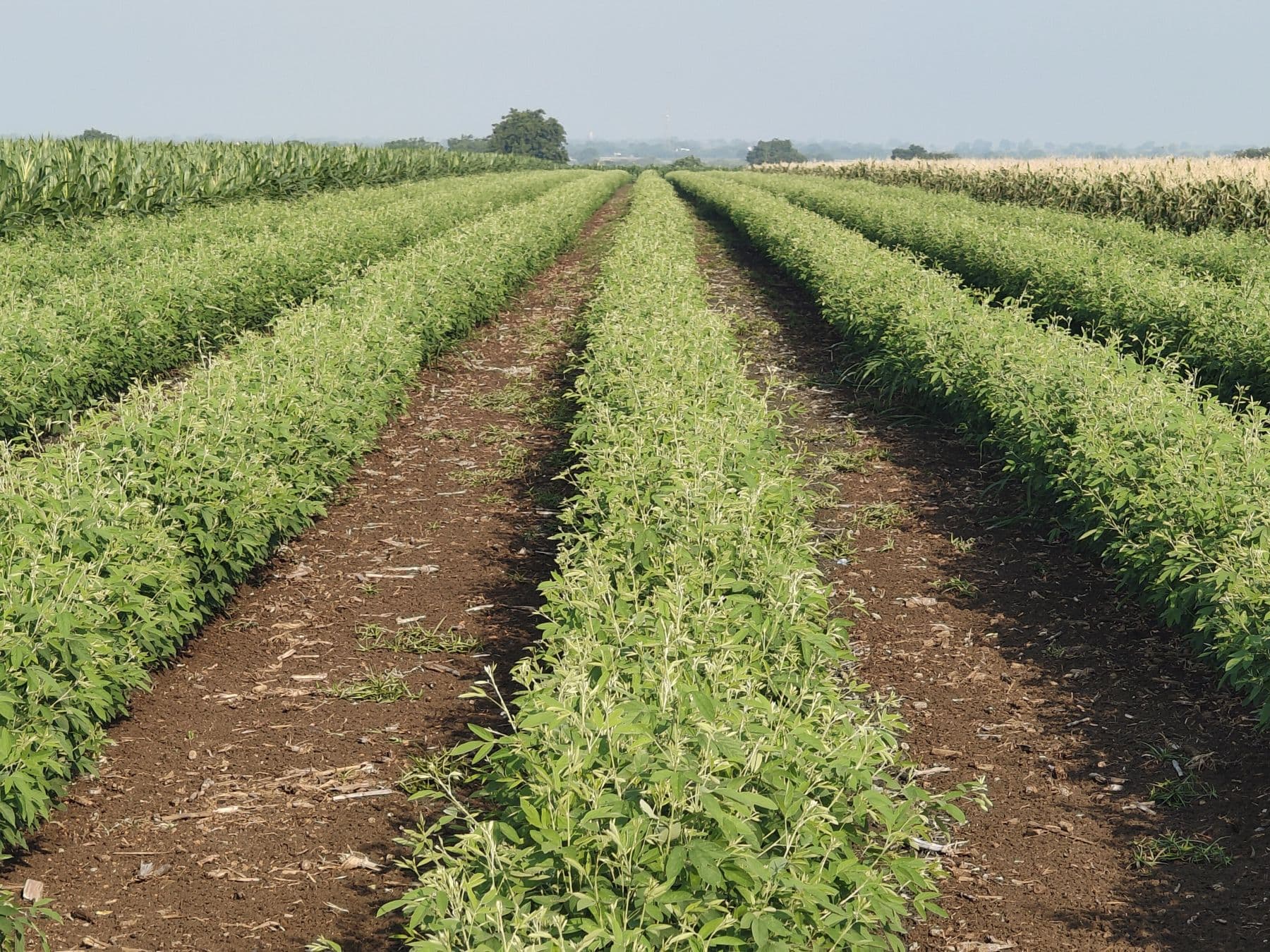
    Rows of pigeon pea plants in red soil

    You can specify

    • Origin region or district
    • Crop year: new crop or old crop
  2. 02 · Harvest

    When it is picked

    Harvests follow the season, and so does price. Pepper in Kerala is picked from around December into February. Cardamom is picked in rounds from late monsoon into winter. Turmeric is lifted from January to March, chilli through the winter into spring, and cumin in February and March.

    Basmati is harvested in October and November, and the delta's main ponni crop around January. Pulses are rabi or kharif crops, and onions come in more than one crop a year, so availability and quality shift through the year. If timing matters for your market, say so early.

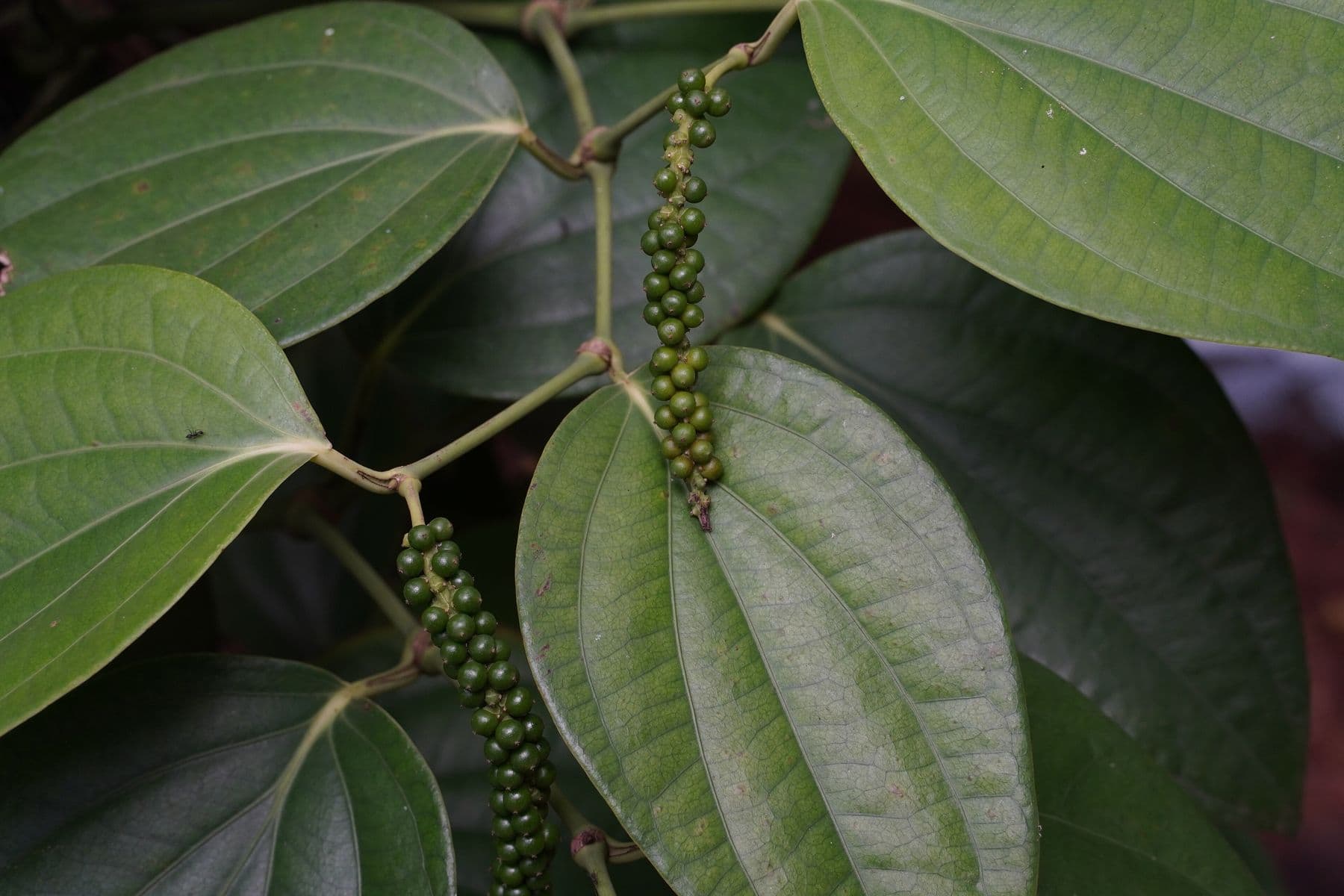
    Green pepper spikes hanging on the vine

    You can specify

    • Shipment window
    • New crop only, or blends acceptable
  3. 03 · Sun

    How it is dried

    Pepper is spread on drying yards for several days and turns from green to black as it dries. Turmeric is boiled before drying, which sets its colour. Chillies are dried whole, often on the field. Cardamom is the exception: it is cured in heated drying houses so the pods keep their green. Paddy is dried before milling, and parboiled first for boiled rice. Onions are cured until the skins are dry and the necks close.

    Drying decides how well a crop survives the journey, by sea or air. Moisture is brought down to the limit the contract sets, commonly around 11 to 12 percent for pepper and about 14 percent for rice.

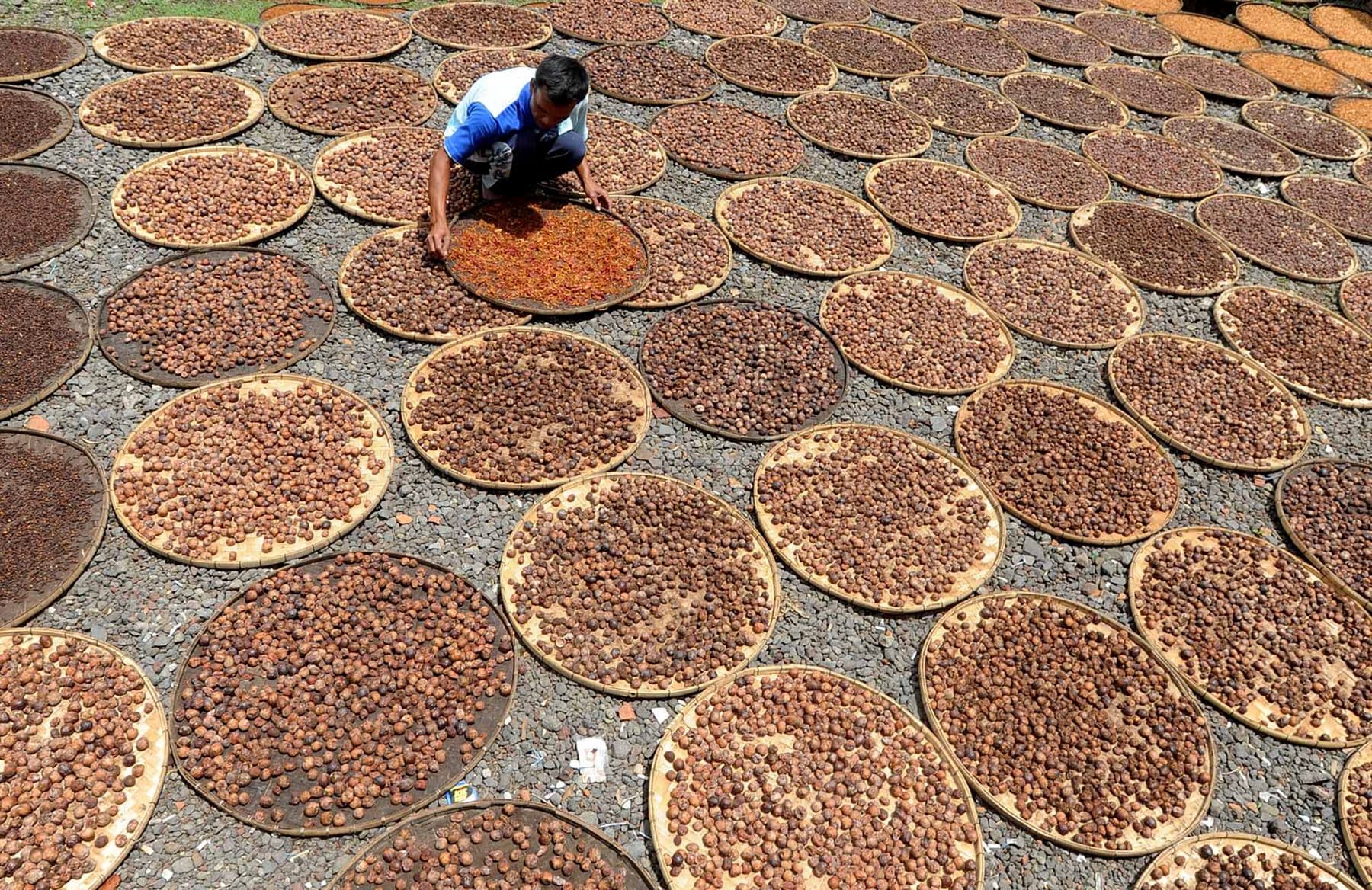
    Spices spread on round mats to dry in the sun

    You can specify

    • Moisture, % max
    • Colour expectations (e.g. green cardamom, bright red chilli, white rice)
  4. 04 · Sort

    Cleaning and grading

    Cleaning takes out stones, stalks, dust and light or broken grains, by sieving, destoning, gravity separation and, for many seed spices, rice and pulses, a sortex colour sorter.

    Grading follows the conventions of each crop: pepper by bulk density in grams per litre, cardamom by pod size in millimetres, chilli by variety and whether the stem is on, rice by grain length and broken percentage, pulses by size and polish, onions by bulb diameter.

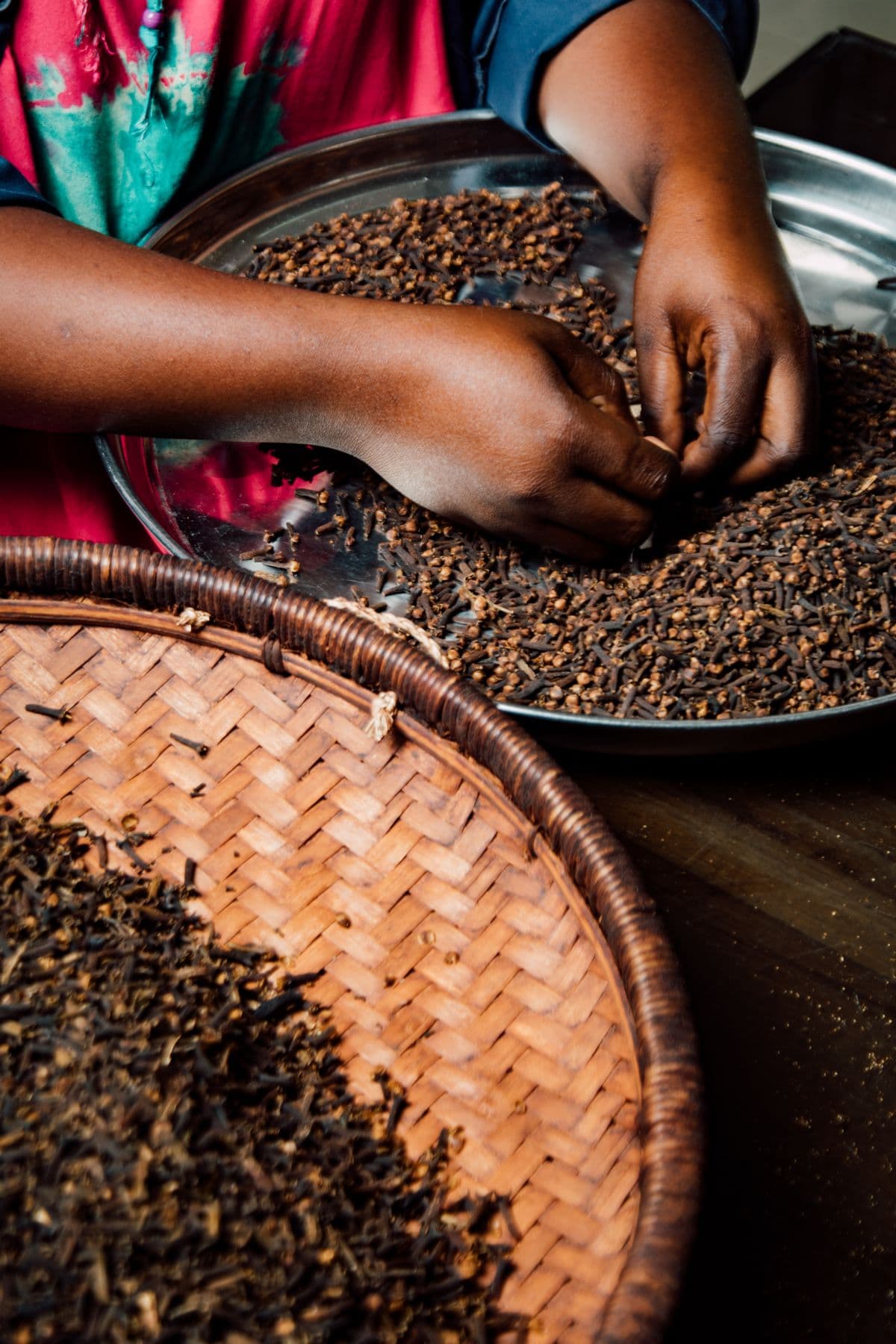
    Hands sorting dried spices over a woven basket

    You can specify

    • Grade
    • Extraneous matter, % max
    • Machine-cleaned or sortex
  5. 05 · Check

    Checking against your spec

    A quote is only as good as the specification it is made against. Send the one you buy to: moisture, extraneous matter, grade, and any product-specific values such as colour value for chilli, curcumin for turmeric, volatile oil for pepper and cardamom, grain length and broken percentage for rice, grain size for pulses or bulb size for onions.

    If your market needs laboratory reports, for example on pesticide residues, aflatoxin or microbiology, mention it with the inquiry. Testing affects both lead time and price.

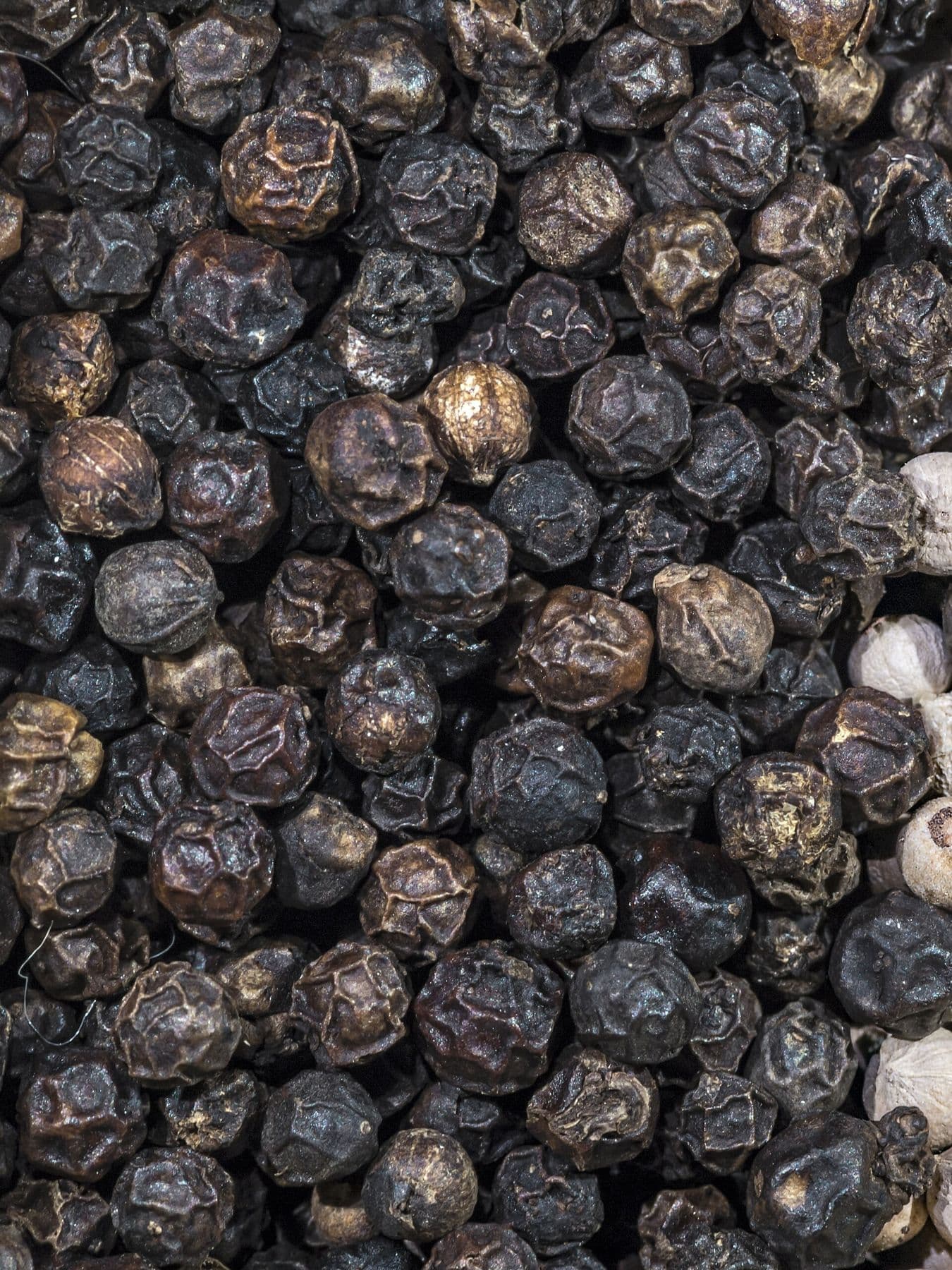
    Close-up of dried black peppercorns

    You can specify

    • Full specification sheet
    • Laboratory reports your importer requires
    • Pre-shipment samples
  6. 06 · Pack

    Packing and marking

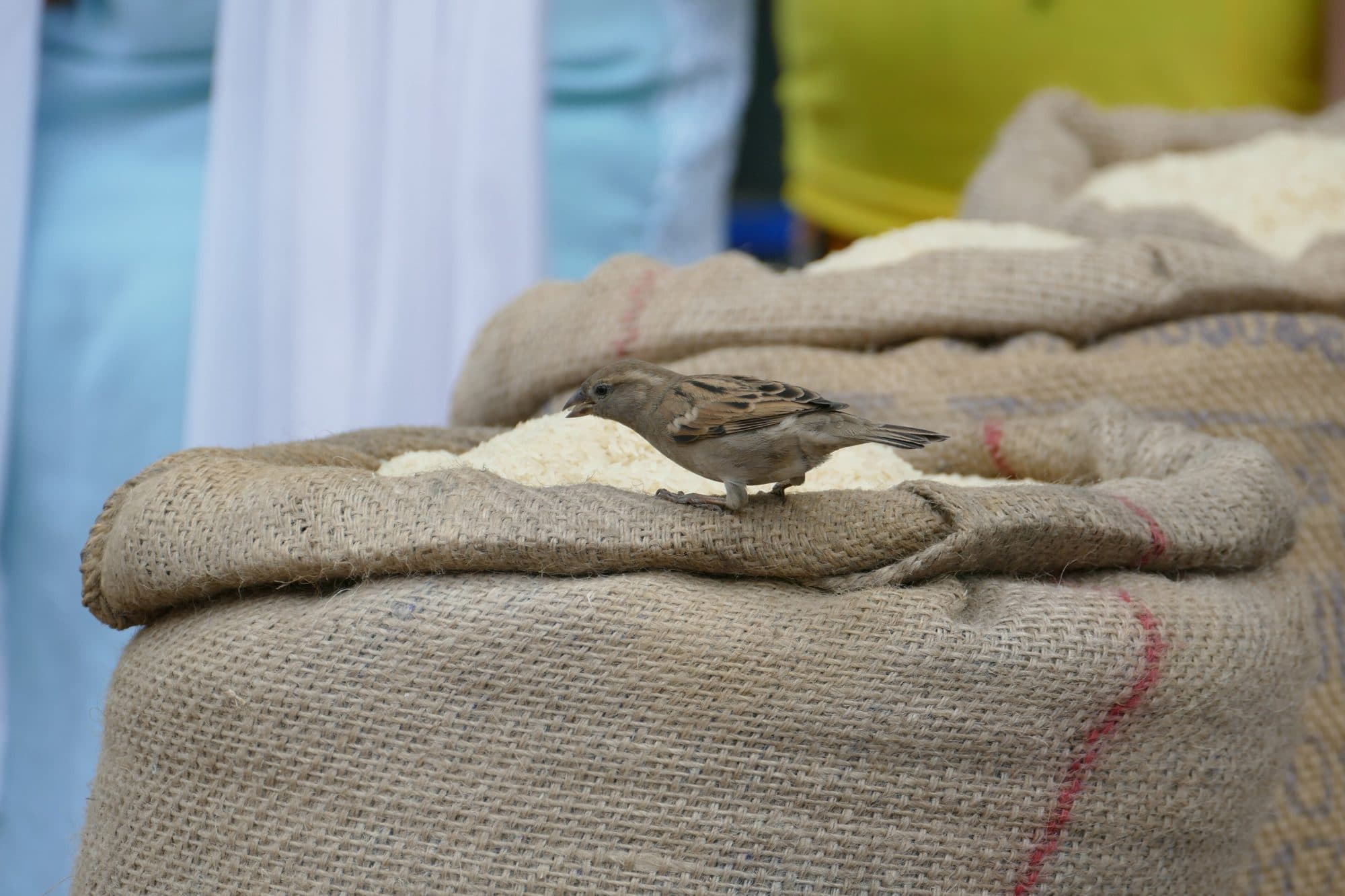
    Most spices, rice and pulses travel in PP woven or jute bags of 25 or 50 kg, and rice can also be packed in smaller consumer packs. Cardamom goes in cartons with poly liners to protect colour and aroma. Onions go in mesh bags so they can breathe.

    Bag marking follows your instructions: product, grade, lot, net and gross weight, origin, and your brand if you are buying under private label.

    Filled jute sacks of rice

    You can specify

    • Bag type and weight
    • Marking and labels
    • Private label artwork
  7. 07 · Container

    By sea or by air

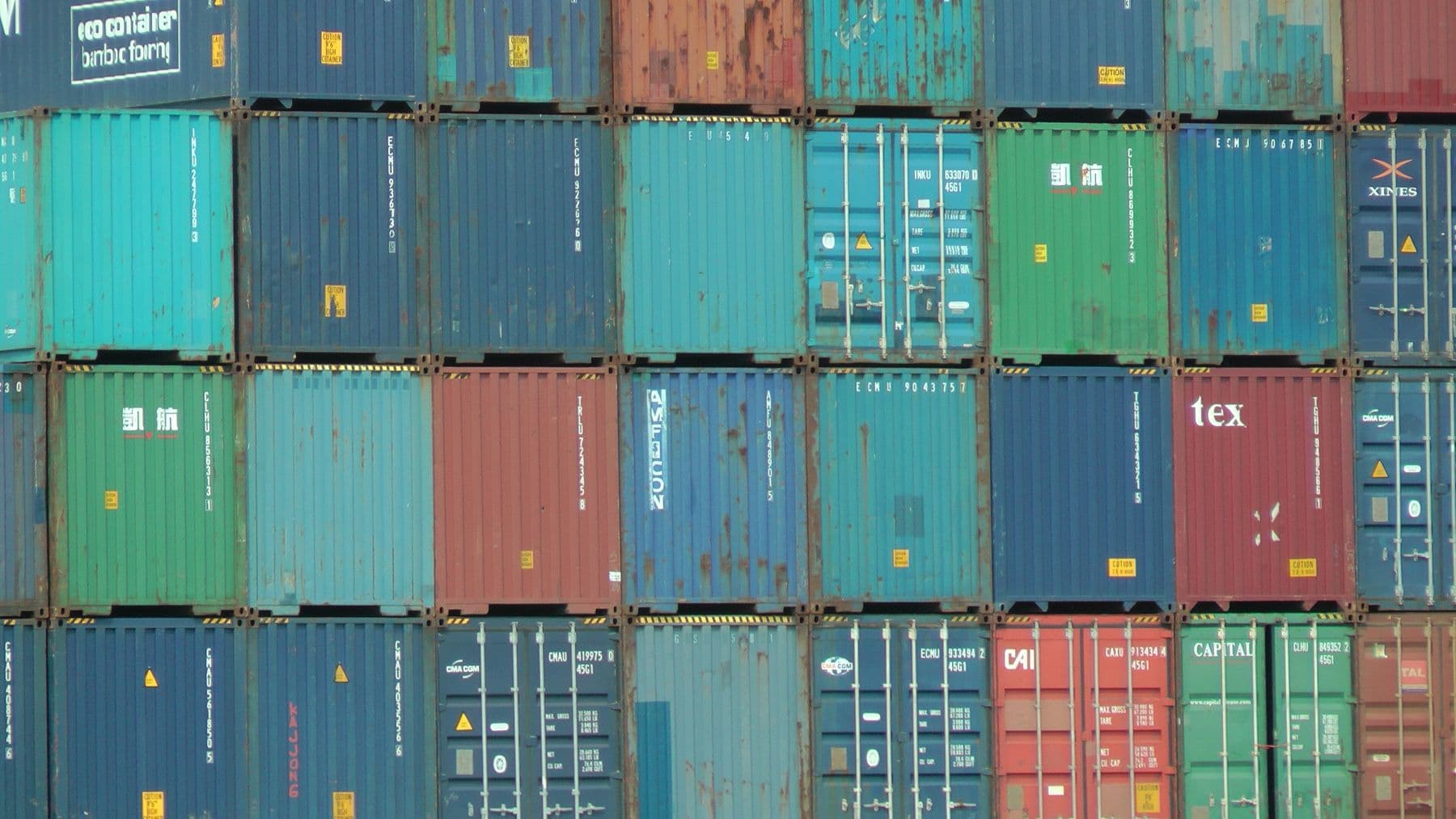
    Larger orders are quoted by the 20 ft or 40 ft container and go by sea; smaller ones by the tonne or by the bag. How much fits depends on the product and bag size, so the quote states the loadable quantity.

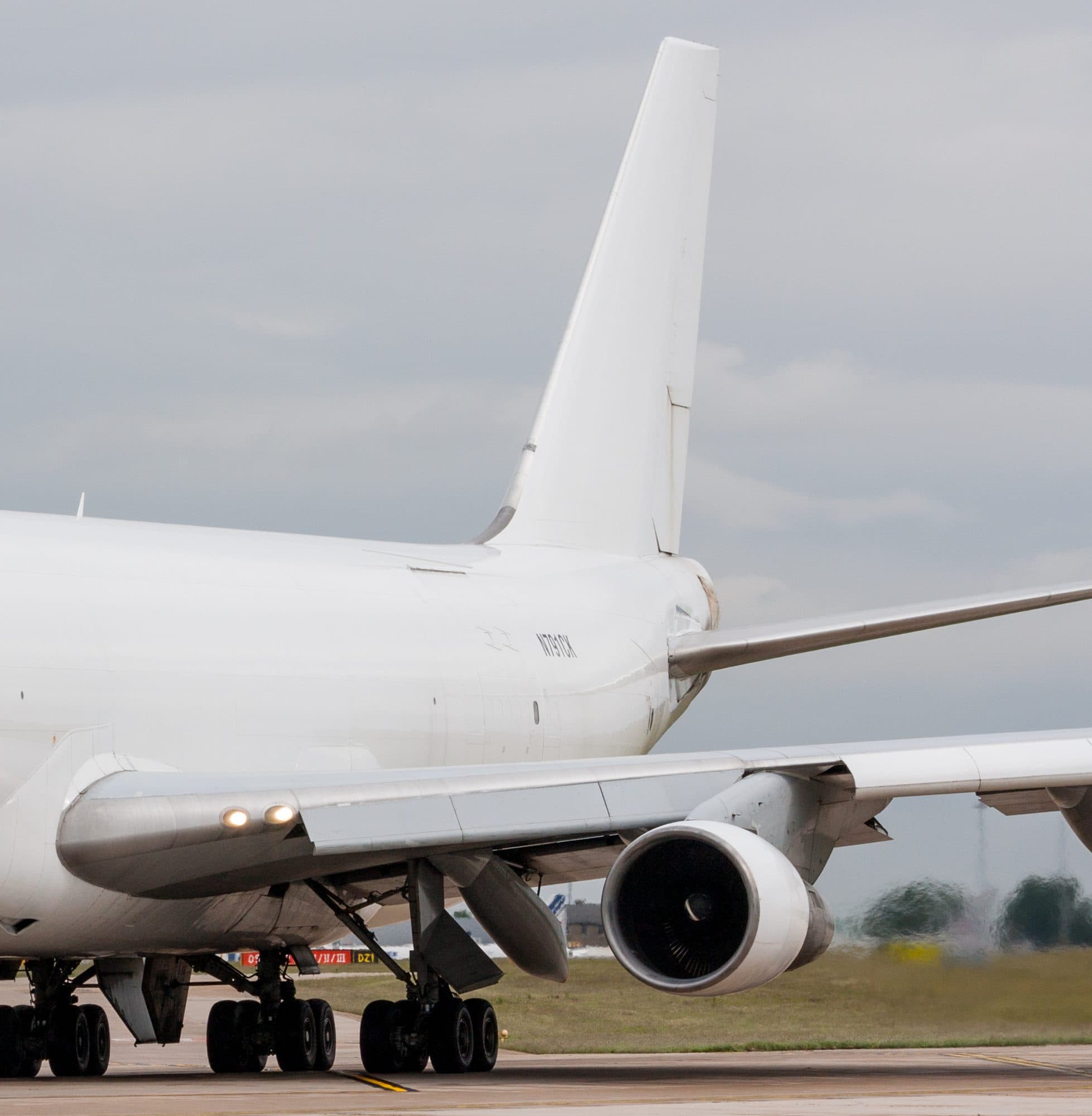
    Air cargo suits samples, smaller lots and urgent orders. It is quoted by the kilogram, from Chennai or another nearby international airport, and reaches most destinations in days rather than weeks.

    Some destinations require fumigation or particular treatment before loading, and onions need ventilated or temperature-controlled containers. Name your destination early so these are included.

    Stacked shipping containers at a port
    By sea
    A white cargo freighter aircraft on the taxiway
    By air

    You can specify

    • Sea freight or air cargo
    • Container size or quantity
    • Incoterm (for example FOB or CIF)
    • Fumigation or treatment requirements
  8. 08 · Port

    Documents and shipping

    An export shipment travels with its paperwork: commercial invoice, packing list, bill of lading (or air waybill for air cargo), certificate of origin and, for most agricultural goods, a phytosanitary certificate. Your importer may need others.

    Tell us the port or airport of destination and which documents your importer needs, and they are prepared alongside the shipment.

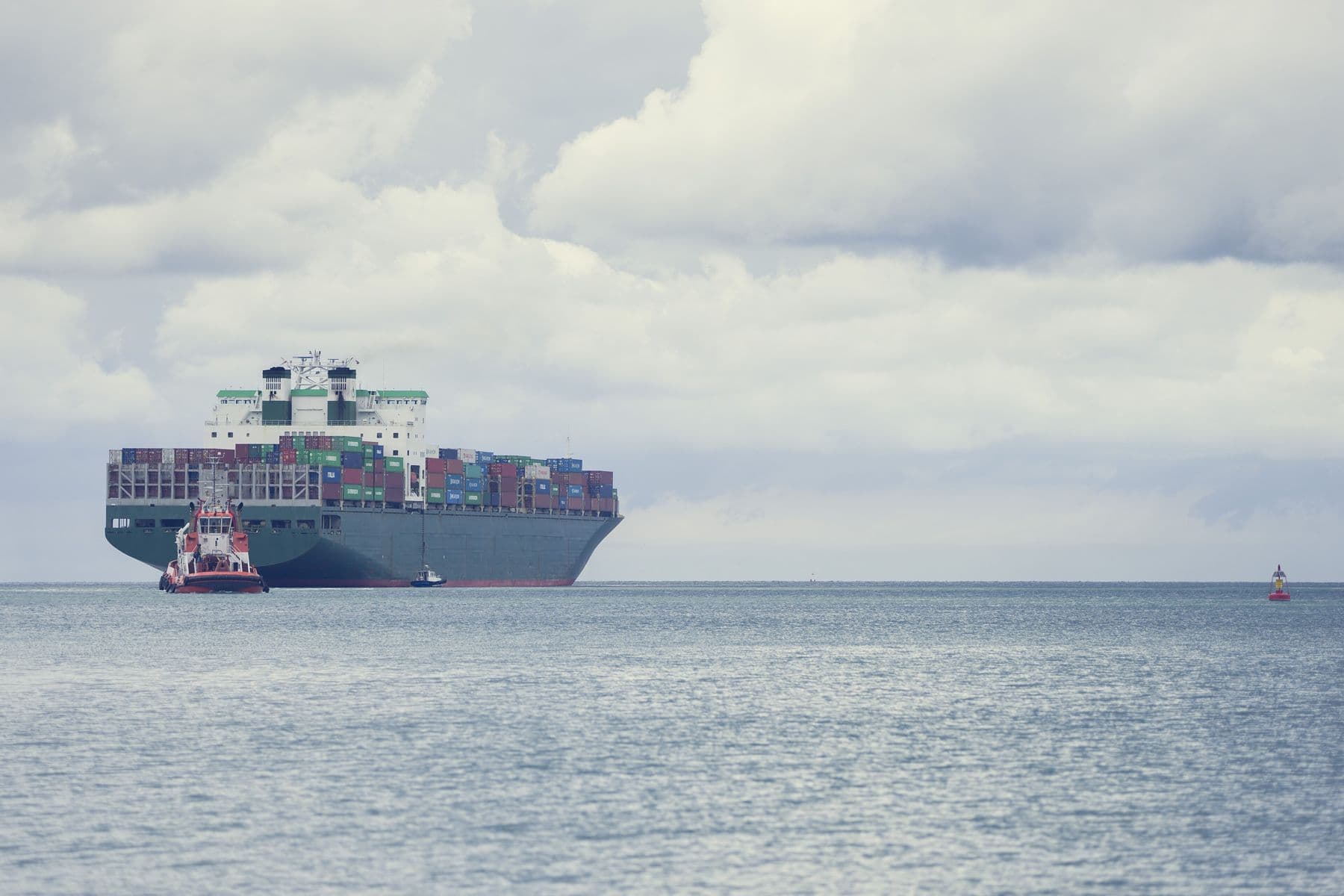
    A container ship on the open sea
    By sea
    A white cargo freighter aircraft on the taxiway
    By air

    You can specify

    • Port or airport of destination
    • Documents required by your importer

Have a specification ready? Send it over.